Copy Trading During Elections: How to Handle Event Volatility
An election-night playbook for Polymarket copy traders: correlated markets, liquidity gaps, resolution risk, position sizing and how to avoid copying a stale position after the news has moved.
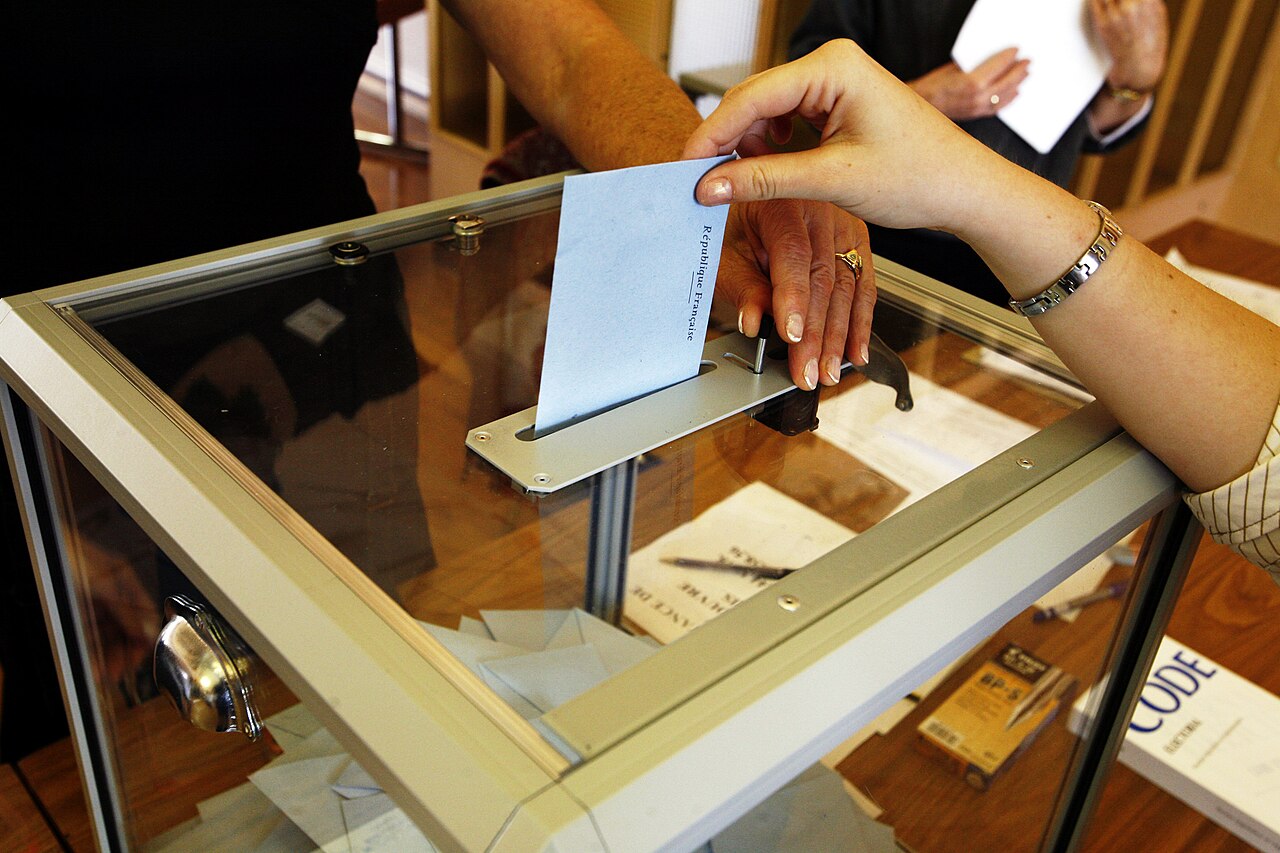
Elections concentrate risk in a way that normal markets do not. Many markets are correlated to one outcome, liquidity can disappear at the moment of truth, and a single news event can reprice everything at once. Copy trading during an election is not just copying a political trader; it is managing a portfolio-level event.
The work happens before election night. Once results start arriving, the copier is mostly executing a plan or reacting badly.
Elections create correlated positions
A portfolio might hold:
- the presidential winner;
- the Senate control;
- a state-level result;
- turnout or margin markets;
- policy markets that depend on the same outcome.
These are not independent bets. If one candidate outperforms, several positions move together. The markets and events documentation and negative risk documentation explain how related markets can be structured.
Before election night, build an aggregate exposure table by outcome, not by market. If 60% of the account depends on one party winning, the number of positions is irrelevant.
Liquidity is best before the event
Order books are often deepest during the campaign and thinnest during the result. A position that was easy to enter may be hard to exit. The prices and order book guide explains how depth affects fills.
Decide before the event:
- which positions you will hold to resolution;
- which you will exit on a trigger;
- what size the book can absorb;
- what you will do if the market gaps.
If the exit is not realistic, size for resolution, not for a clean exit.
Do not chase the first print
Election-night prices can move violently on partial results, exit polls and unconfirmed reports. A copy that arrives after the first move may be entering at a price that already reflects the news.
A practical rule: do not copy a new position during a fast move unless you have an independent reason to believe the price is still wrong. The politics copy-trading guide covers the category context.
Resolution risk is higher
Election markets can be disputed. The resolution documentation explains the process. A candidate may concede, a count may be challenged, or a resolution source may update.
Before copying:
- read the exact market question;
- identify the resolution source;
- check the deadline;
- understand what happens if the result is contested;
- size for the possibility of a delayed resolution.
A trader who is good at forecasting may not be good at legal and procedural risk.
Position sizing for event volatility
Use stricter limits than in normal markets:
- smaller size per market;
- lower total exposure to one outcome;
- a larger cash buffer;
- a hard drawdown limit;
- a rule for stopping new copies during a spike.
A common mistake is to treat election night as an opportunity to increase size because the outcome feels clear. The market may be clear and the execution may still be terrible.
Monitor the target's behavior
During a volatile event, check whether the trader:
- adds to a position after a move;
- exits early;
- changes size;
- moves into a new category;
- stops trading.
A change in behavior is a signal to review, not necessarily to follow. The when to stop copying guide turns this into a rule.
If you are already positioned when the event starts
If the copy is already open when results begin, the main decision is whether to hold, reduce or exit. Do not make that decision in the first minute of a fast move. Check the market question, the resolution source and the liquidity on the exit side. If the position still matches your thesis and the book can absorb an exit, you can wait. If the thesis depended on a specific result that is now priced in, reduce. The worst outcome is usually not being wrong; it is being unable to act because the position was too large for the book.
A pre-election checklist
- List all copied positions by outcome.
- Compute aggregate exposure.
- Check liquidity on the exit side.
- Decide hold-to-resolution versus exit triggers.
- Set a drawdown limit.
- Set a rule for new copies during spikes.
- Verify resolution sources.
- Keep a cash buffer.
- Write the plan down.
- Do not change it mid-event without a reason.
After the event
Election night is not the end of the risk. Post-event markets can reprice on:
- counting updates;
- legal challenges;
- certification;
- policy implementation;
- related markets that were not resolved.
Review the portfolio after the event and decide whether the remaining positions still fit the thesis.
Bottom line
Copy trading during elections is a portfolio risk problem first and a trader-selection problem second. Measure correlation, check exit liquidity, respect resolution risk and write the plan before the event. The best election-night copy is often the one you planned not to make.
Read Polymarket election markets for the market mechanics.
This article is research and education, not financial advice.
Sources
- 1.Markets and Events— Polymarket Documentation
- 2.Resolution— Polymarket Documentation
- 3.Negative Risk— Polymarket Documentation
- 4.Public Analytics— Polymarket Documentation