Polymarket's Global Geoblock Map: Who Bans It and Why
More than 30 jurisdictions have restricted or blocked Polymarket. The reasons range from gambling licensing to election integrity, and the enforcement ranges from DNS blocks to app-store removal.
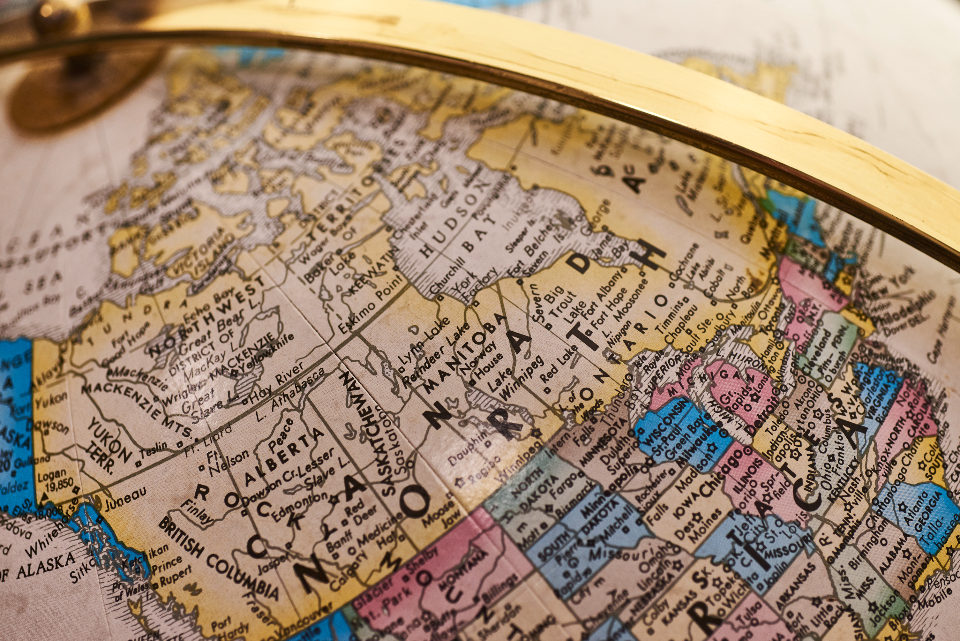
Polymarket is available in many countries and blocked in many others. By late 2026, more than 30 jurisdictions had restricted, blocked or warned about the platform, according to regulators, court orders and press reports. The reasons vary, but most fall into three categories: unlicensed gambling, election integrity and consumer protection.
The map matters for traders because "Polymarket is global" does not mean "Polymarket is legal where you are." The relevant rules are set by your country of residence, your IP address and sometimes the jurisdiction where your payment is processed.
Europe: a country-by-country patchwork
France was one of the first major markets to act. Its gambling regulator, the ANJ, concluded that Polymarket was offering illegal gambling and ordered internet service providers to block the site. The France ban article covers the case in detail.
Belgium, Switzerland, Poland, Portugal, Greece, Romania, Italy, Spain and the Netherlands have also restricted access. Some regulators added Polymarket to a blacklist of unauthorised gambling sites. Others obtained court orders or issued administrative blocks. Spain opened a gambling-licence investigation and blocked both Polymarket and Kalshi in May 2026.
The European Union does not have a single prediction-market licence. Gambling is regulated nationally, and a licence in one member state does not passport into another for gambling purposes. The EU regulation outlook explains why that is unlikely to change quickly.
Asia and the Pacific
Singapore and Thailand moved to block Polymarket in January 2025. South Korea ordered internet service providers to block it in August 2026. Indonesia blocked it in May 2026 after markets on the president's tenure appeared. Australia restricted access after a regulator targeted illegal online betting.
The common thread is gambling law. Most of these jurisdictions treat event contracts as bets, not financial derivatives. Some also object to markets on elections or political stability.
Latin America and the Americas
Brazil blocked Polymarket and Kalshi in April 2026 over what regulators described as illegal betting. The decision followed a broader crackdown on unlicensed gambling and prediction markets.
Canada has not banned Polymarket outright, but access is restricted and the regulatory picture is provincial. The United States is a special case: a CFTC-regulated venue operates domestically, while the global platform is supposed to be unavailable.
What "blocked" actually means
A block can take several forms.
- A DNS block makes the website harder to reach from a national internet connection.
- An ISP block requires internet providers to prevent access.
- A payment block makes it harder to deposit or withdraw.
- An app-store removal prevents downloads.
- A licensing warning tells users that the operator is unauthorised.
None of these measures destroys the underlying smart contracts. A determined user with a VPN can often reach a blocked site. But using a VPN does not change the regulator's view of the product, and it may breach the platform's terms of service.
The user legal risk guide explains the personal consequences.
Why regulators object
Three arguments recur.
First, unlicensed gambling. Prediction markets offer bets on sports and events without the licence, taxes and consumer protections that apply to bookmakers.
Second, election integrity. Markets on political outcomes can be manipulated or used to influence perceptions. France and other regulators have raised concerns about the effect on democratic processes.
Third, consumer harm. Regulators worry about addiction, young users, misleading marketing and the difficulty of resolving disputes with an offshore operator.
The election betting ethics article weighs the evidence on the second point.
The enforcement gap
Blocks are porous. Polymarket has been blocked in France since 2024, yet the ANJ reported hundreds of thousands of French visitors in a single month. The regulator itself said the earlier geoblock was circumvented in practice.
That does not make the blocks irrelevant. They raise the cost of access, deter casual users and create legal risk for payment providers and advertisers. They also signal that the platform's global expansion faces a structural limit.
The payment rail is the real choke point
A website block is visible. A payment block is quieter and more effective. If local banks, card networks and crypto on-ramps refuse to process deposits for a prediction market, the platform becomes hard to use even if the website loads.
Regulators know this. That is why enforcement increasingly targets payment providers, app stores and advertisers rather than only the platform. Polymarket's crypto rails make it harder to cut off, but users still need a way to buy USDC and move it to Polygon.
The custody article explains the deposit chain. The withdrawal guide explains the exit. If a payment rail is cut, the website may still load while the product becomes unusable.
The choke point also explains why bans often target advertising. If a platform cannot buy ads or sponsor sports content, it struggles to acquire users even when the website is reachable. France's regulator explicitly argued that Polymarket's homepage functioned as promotion of an illegal offer.
What traders should do
Check three things before depositing.
- Your local regulator's position. A blacklist or warning is a strong signal.
- The platform's terms. Polymarket's geoblock list is the company's own view of where it does not offer service.
- Your exit route. If access is blocked while you hold a position, can you still close it or claim a payout?
The withdrawal guide covers the operational side. The global regulation outlook covers where the rules may go next.
Sources
- 1.Polymarket— Wikipedia
- 2.Promotion of illegal gambling services: blocking of the Polymarket website— Autorité Nationale des Jeux
- 3.Singapore, Thailand Move to Block Crypto Betting Site Polymarket— Bloomberg
- 4.Spain blocks access to Polymarket and Kalshi as it launches gambling licence investigation— The Guardian
- 5.Brazil blocks Polymarket, Kalshi Over Illegal Betting— Bloomberg