Copy Trading Polymarket Sports: What Makes a Game Market Copyable
How sports copy trading works on Polymarket: pre-game versus live execution, injury news, line movement, liquidity, resolution and the position sizes that survive fast repricing.
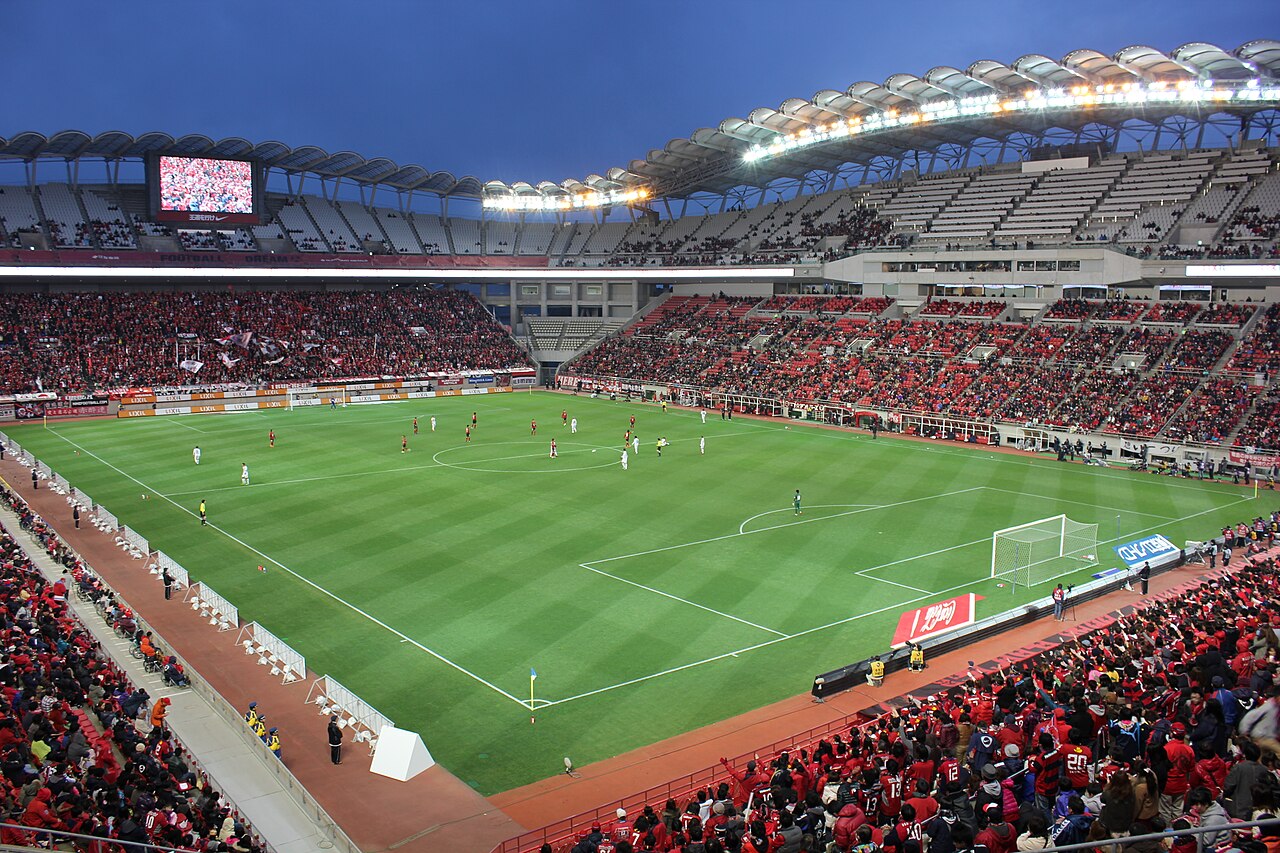
Sports markets are not one strategy. A pre-game trader who studies lineups and weather is running a different business from an in-play trader who reacts to a goal in seconds. Copying the first can be reasonable for a beginner. Copying the second without automation is usually a donation to faster participants.
The key question is the same as in every copy decision: is the target's holding period longer than your execution delay?
Pre-game versus in-play
Pre-game sports trading has:
- a known event and start time;
- public information such as injuries and lineups;
- slower price movement;
- a holding period of hours or days.
In-play trading has:
- continuous repricing;
- fast information shocks;
- thin books at moments of stress;
- a holding period of seconds or minutes.
The sports WebSocket documentation shows how real-time sports data is delivered. If the target's edge depends on that speed, manual copying is not the same strategy.
What makes a sports trader copyable
Look for:
- a record across many games and seasons;
- a clear specialization, such as one league or one market type;
- pre-game entries rather than live scalps;
- liquid markets;
- a holding period you can monitor;
- profits spread across events, not one playoff run;
- a drawdown you can tolerate.
A trader with a 70% win rate over ten games is not proven. A trader with a smaller edge over hundreds of games is more informative.
The trader history guide explains how to verify the sample.
Injury news and line movement
Sports markets reprice on:
- injuries;
- lineup changes;
- weather;
- travel;
- coaching decisions;
- public betting flow.
A copier who sees the trade after the news may be entering at a price that already reflects it. The trader's edge may have been in reacting first.
Before copying, compare the target's entry price with the current price and the news timeline. If the move already happened, the copy is late.
Liquidity is uneven
Major games can have deep books; niche leagues and prop markets can be thin. The prices and order book guide explains how depth affects fills.
For sports copy trading:
- prefer markets with tight spreads;
- avoid sizing to the best-case book;
- check the exit side before entry;
- reduce size around major events;
- use limit orders when possible.
The liquidity guide covers capacity estimation.
Resolution rules matter
Sports markets can have edge cases:
- a game postponed or cancelled;
- a player ruled out after the market opens;
- a statistic corrected after the event;
- a resolution source that changes.
The resolution documentation explains the process. Read the market rules before copying. A trader who understands the fine print may have an edge that is not obvious from the headline.
Correlated positions
A copy portfolio of five markets from the same game or the same slate is not diversified. If one team wins, several positions may move together.
Set a cap per game, per slate and per league. The multi-trader guide explains aggregate exposure.
Bankroll across a season
A sports record is built over a season, not a weekend. Size the copy bankroll so that a normal losing run does not force you to stop. If you risk 5% of the bankroll per game, four losses in a row cost about 19% and can trigger a review. If you risk 1%, the same run costs about 4% and is easier to survive. The right number depends on your edge and tolerance, but the principle is the same: survive the variance that a full season will produce.
A sports copy checklist
- Is the target pre-game or in-play?
- Is the holding period compatible with your tools?
- Is the market liquid at your size?
- Has the price already moved on news?
- Are the resolution rules clear?
- Is the position correlated with other copies?
- Is the sample large enough?
- Is there a stop rule for a losing season?
When sports copy trading fails
- Copying live trades manually.
- Chasing a line move after the news.
- Overreacting to a small sample.
- Sizing every game the same regardless of liquidity.
- Ignoring postponements and rule changes.
- Adding more games to recover a losing weekend.
Bottom line
Sports copy trading can work when the target is a slow, pre-game specialist in liquid markets and your execution can match the holding period. It fails when the edge is speed, the book is thin, or the copier treats a short winning streak as skill. Match the strategy to your tools before you match the wallet.
Read Polymarket sports trading for beginners for the market mechanics.
This article is research and education, not financial advice.
Sources
- 1.Sports WebSocket— Polymarket Documentation
- 2.Markets and Events— Polymarket Documentation
- 3.Resolution— Polymarket Documentation
- 4.Prices and Orderbook— Polymarket Documentation